Amanos
Technologies

Industrial Heat Pumps and Process Technologies

Amanos approaches industrial heat and energy systems, industrial cooling and integrated process and energy engineering project by project. Instead of a standard product catalogue, we provide system design, integration and project development around each facility's energy demand; technology selection depends on source conditions, process requirements and existing infrastructure.

01INDUSTRIAL HEAT & ENERGY SYSTEMS

Electrifying process heat, recovering waste heat and upgrading heat to the level a process requires.

Commercial / Field Experience

High-Temperature Heat Pumps

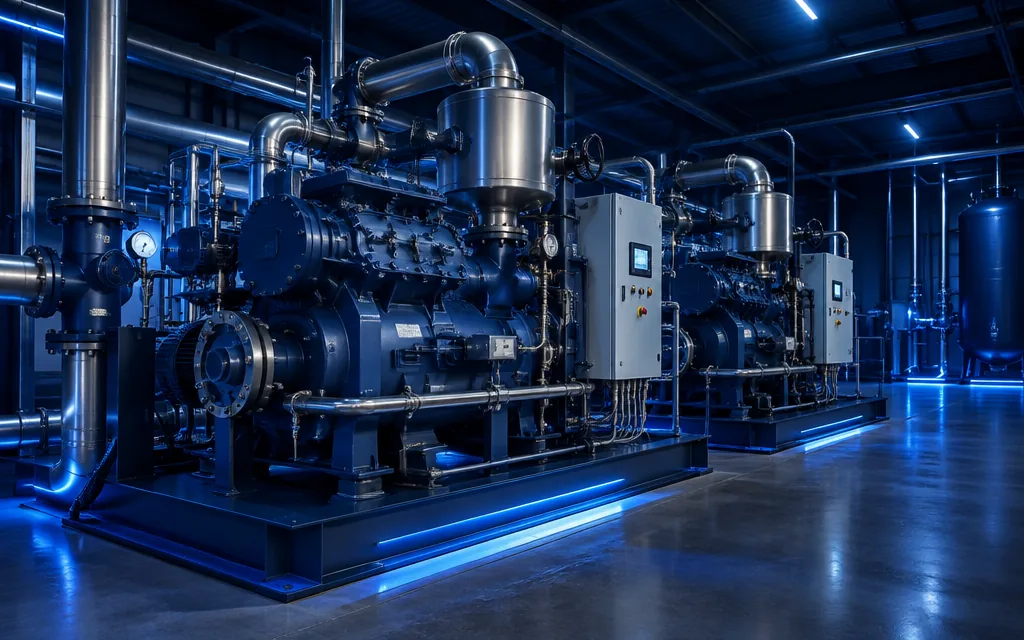
Industrial heat pump systems use electricity to upgrade heat from a lower-temperature source to the level required by a process. Applications include process heating, hot water, drying and, where operating conditions allow, steam generation.

Commercial / Field Experience

Waste Heat Recovery

Systems that recover heat rejected by processes or cooling equipment for a useful heating demand. Source and demand temperatures, flow rates and operating schedules are assessed together.

Commercial / Field Experience

Thermal Compression

Systems that upgrade suitable steam and process streams to reusable pressure and temperature levels. Fluid properties and required outlet conditions determine the appropriate configuration.

R&D / Advanced Technology

Thermocompressor & Ejector Systems

R&D systems exploring ejector and thermocompressor approaches that use a motive stream to raise the pressure of another stream.

R&D / Advanced Technology

Next-Generation Thermal Cycles

Alternative thermal cycles developed through simulation, prototyping and testing for process electrification and heat recovery.

02INDUSTRIAL COOLING SYSTEMS

Addressing process and commercial cooling demand as part of the facility's overall energy system.

Commercial / Field Experience

Industrial & Commercial Cooling

Cooling systems assessed against the temperature requirements of industrial processes and commercial facilities. Load profile, operational continuity and opportunities for heat recovery are considered together.

R&D / Advanced Technology

Thermally Driven Cooling

Systems under development that use suitable waste or process heat to produce cooling through absorption and adsorption cycles.

R&D / Advanced Technology

Innovative Cooling Systems

R&D approaches targeting improved cooling performance through natural refrigerants, new cycle configurations and process-specific design.

03INTEGRATED PROCESS & ENERGY ENGINEERING

Designing heating, cooling and process steps within a single energy balance.

Heating, Cooling & Process Energy Integration

Assessing heating, cooling and process streams together to match heat and cooling demand, integrate with existing infrastructure and optimise process energy use.

R&D / Advanced Technology

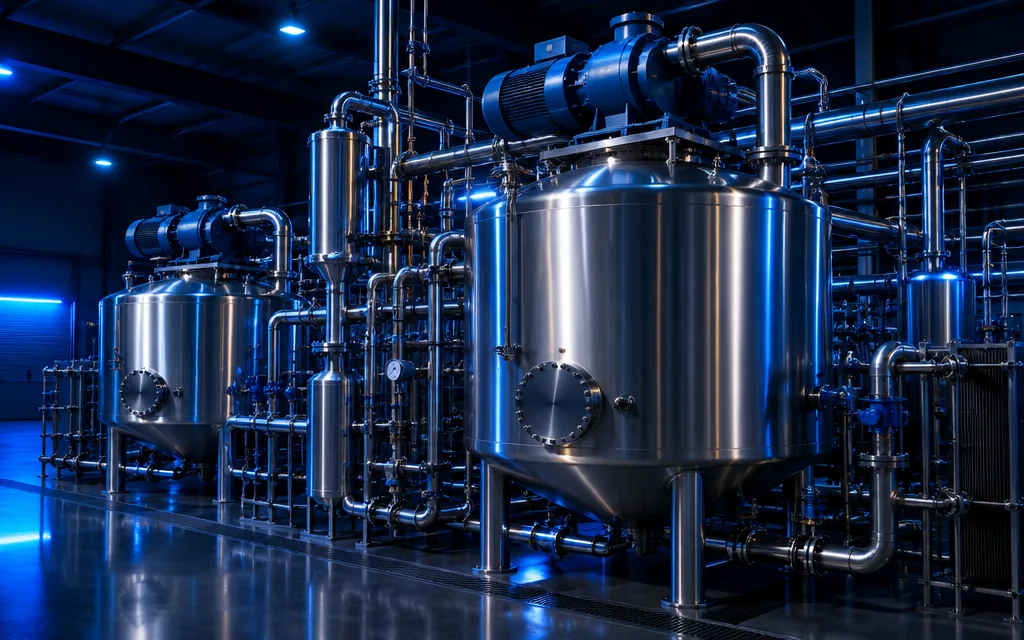
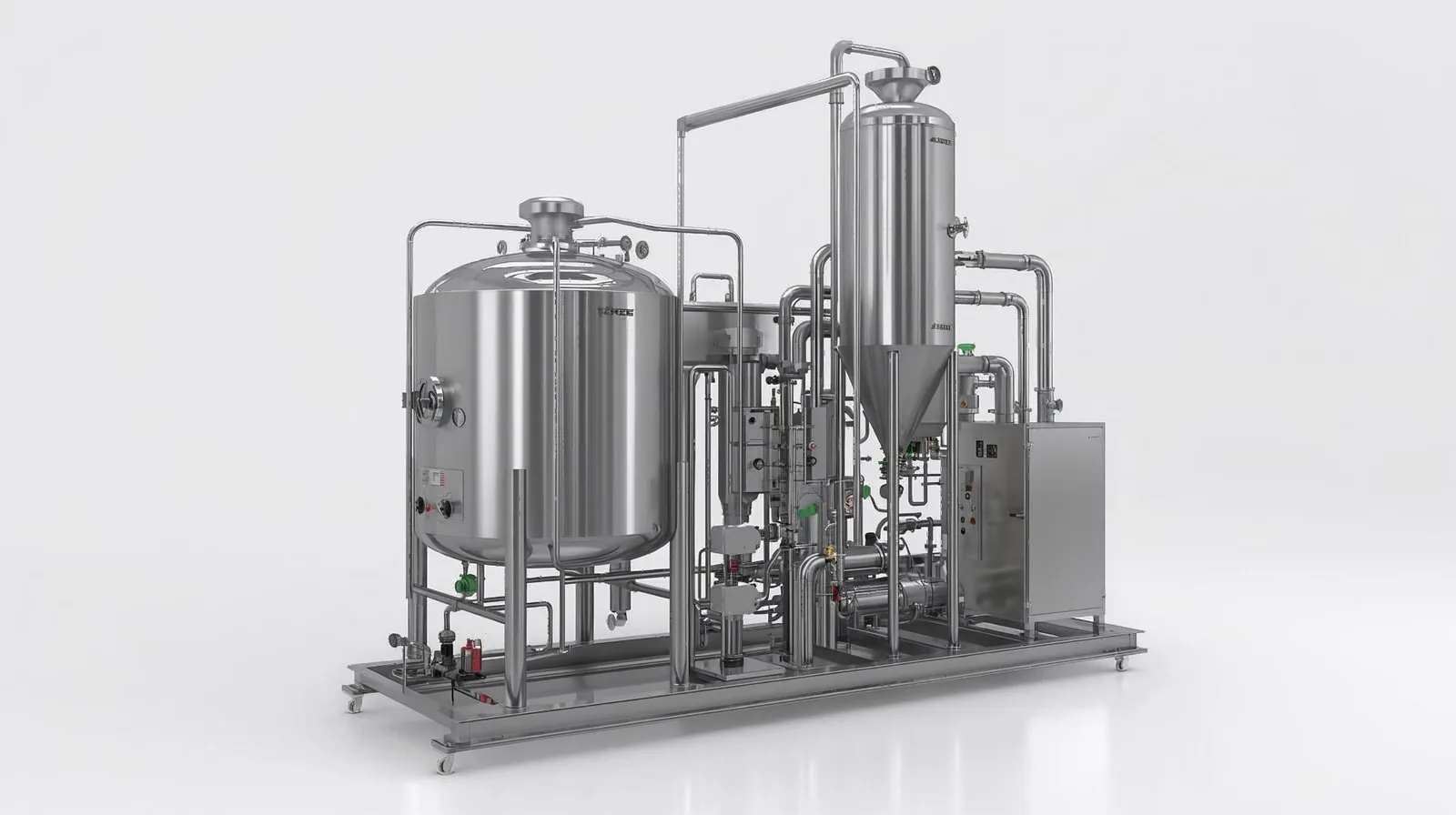
Evaporation & Concentration Processes

Evaporation and concentration processes designed around their energy balance. MVR is an engineering technology assessed in these processes to mechanically recompress vapour for reuse as a heat source.

04ENGINEERING SERVICES

We treat technology not as a standard product but as a system engineered project by project around the facility's energy and process requirements.

  • 01Energy and process analysis
  • 02Technical and economic feasibility
  • 03System design and engineering
  • 04Integration with existing plant infrastructure
  • 05Mechanical and electromechanical project development
  • 06Energy efficiency and electrification projects

05PAST R&D AND TECHNOLOGY DEVELOPMENT EXPERIENCE

The following are not our current core areas of expertise. They are past project, R&D and technology development work that underpins our team's process and thermal engineering experience.

Commercial / Field Experience

Industrial Drying

Drying systems remove moisture under conditions selected for the product and process. Heat and mass transfer, product quality and energy use are assessed together.

Commercial / Field Experience

Freeze-Drying

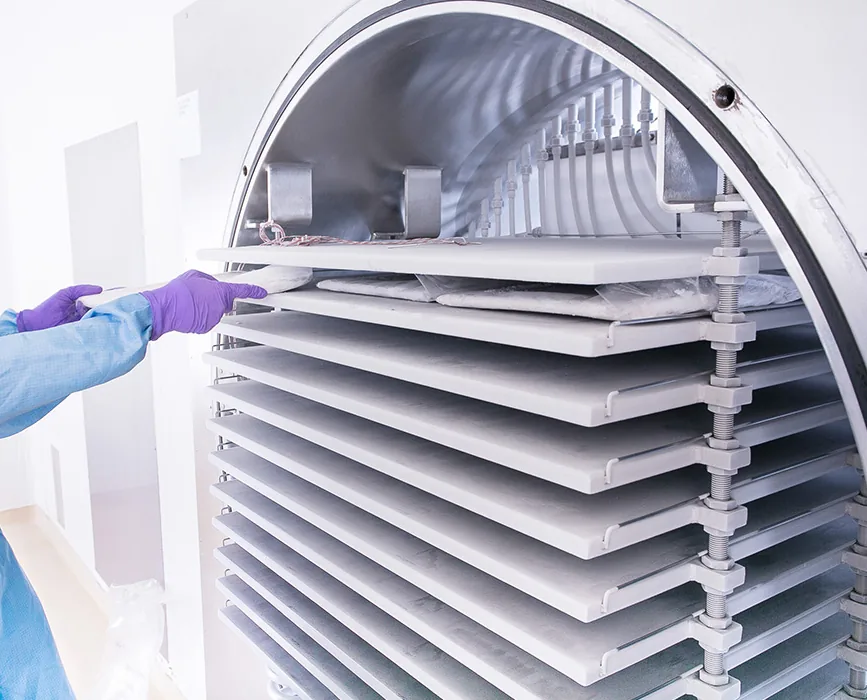
Freeze-drying systems remove water from a frozen product by sublimation under reduced pressure. Product properties, heat transfer and the process cycle are assessed together.

Commercial / Field Experience

Innovative Extraction Technologies

Extraction technologies separate target compounds from a feedstock according to product and quality requirements. The process route is selected for the application.

R&D / Advanced Technology

Atmospheric Water Generation

Technologies under development that investigate water recovery from atmospheric moisture and integration with thermal energy systems.

Technology Selection and System Integration

High-Temperature Heat Pumps

An industrial heat pump transfers heat from a lower-temperature source to a higher-temperature demand through a thermodynamic cycle and compressor. In high-temperature applications, the objective is to match process heat demand with a suitable source and assess opportunities to reduce fossil fuel use. Source temperature, flow and availability are considered alongside process supply and return temperatures, required capacity and operating hours.

Efficiency depends on temperature lift, part-load operation, heat exchangers and auxiliary electricity consumption. Amanos uses energy balances and technical feasibility assessment to evaluate the heat pump alongside existing hot-water, steam, cooling and waste heat systems. Suitability and expected performance are project-specific; no single COP or temperature applies to every installation.

Technical feasibility and engineering process

Waste Heat Recovery

Waste heat recovery transfers heat that a facility would otherwise reject to a useful demand. Direct heat exchange may be sufficient; where temperatures do not match, heat pump integration may be considered. Feasibility depends on source temperature, fluid properties, flow, availability and the coincidence of heat supply and demand.

Fouling, pressure losses, transfer distance and maintenance access affect the useful energy recovered. Amanos assesses source and demand energy balances together and evaluates integration with process heating, hot water and cooling systems. Expected savings depend on usable heat and the actual operating profile.

Industrial and manufacturing applications

Thermal Compression

Thermal compression considers the reuse of suitable steam or process streams after compression to higher pressure and temperature levels. Inlet pressure, temperature, flow, fluid composition and required outlet conditions determine feasibility. Phase condition and continuity of supply also influence equipment selection.

Compression energy, pressure ratio, losses and useful recovered heat must be assessed together. Amanos examines process flows and energy balances to evaluate integration with existing steam and heating infrastructure. MVR and thermocompressor systems remain separate R&D entries in the portfolio; this commercial category does not imply that those systems have reached commercial maturity.

Industrial & Commercial Cooling

Cooling systems remove heat from a process or occupied space and transfer it elsewhere to maintain the required temperature. Design assessment considers the cooled fluid, target temperature, changing loads, ambient conditions and continuity requirements. Food, chemical, pharmaceutical and commercial applications may have different control and process needs.

Efficiency depends on cycle temperatures, equipment selection, part-load performance and auxiliary consumption. Amanos assesses cooling within the facility’s overall energy system rather than as an isolated equipment choice. Rejected heat may be evaluated for hot-water or process-heating use where source and demand conditions are compatible.

Energy and cooling requirements in commercial buildings

Industrial Drying

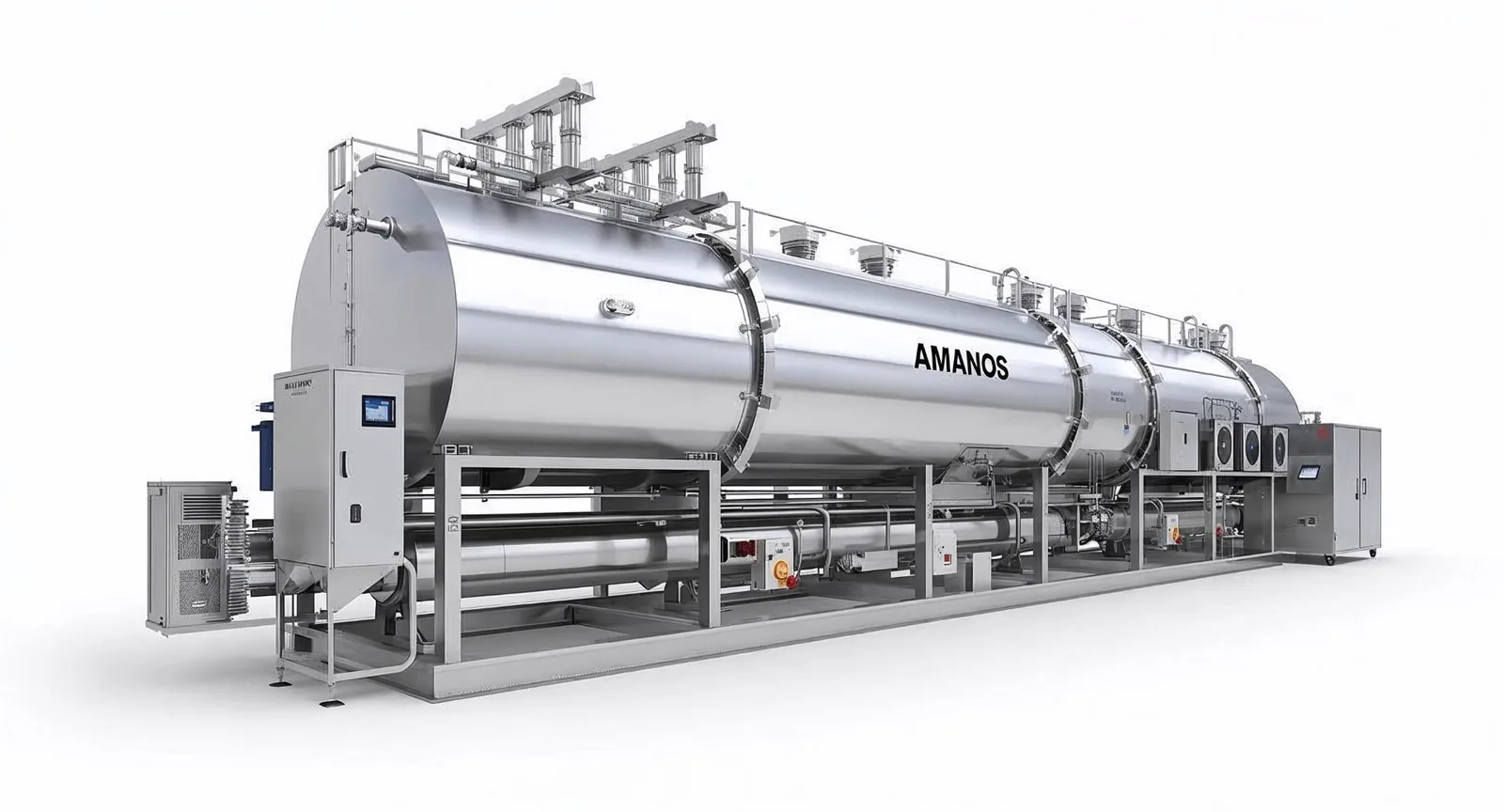
Industrial drying reduces product moisture through heat and mass transfer. Initial and target moisture content, throughput, heat sensitivity and the available heat source determine process selection. Air or other process-stream conditions also affect drying behaviour.

Efficiency depends on heat losses, flow management and residence time. Amanos evaluates product requirements alongside the energy balance and considers heat pump or waste heat integration where temperature and quality requirements allow.

Freeze-Drying

Freeze-drying first freezes the product, then removes much of its water by sublimation under reduced pressure before reducing residual moisture. Product structure, loading, target moisture and temperature sensitivity determine cycle design.

Energy use depends on refrigeration, vacuum, heat transfer and cycle duration. Amanos evaluates process and cooling requirements together, with product quality as a design constraint. Integration is assessed around product preservation and repeatable operating conditions.

Innovative Extraction Technologies

Extraction separates target compounds from a feedstock using a suitable process. Feedstock properties, target compounds, quality requirements and the selected method’s temperature, pressure or flow conditions determine feasibility. No single extraction route is assumed suitable for every product.

Efficiency depends on mass transfer, processing time and any separation or recovery stages. Amanos evaluates product requirements alongside process and energy balances, including integration with heating, cooling and other process steps. No additional extraction method or purity guarantee is implied.

Evaporation & Concentration Processes

In evaporation and concentration processes the aim is to reduce the energy required for evaporation while protecting product requirements. MVR (mechanical vapour recompression) is an engineering technology that mechanically compresses process vapour to raise its temperature for reuse as a heat input; it is treated as part of the process design rather than as a stand-alone standard product. Vapour composition, flow, pressure, temperature lift and operating continuity determine feasibility. Amanos assesses integration through energy balances and R&D evaluation; no savings or commercial-readiness claims are made without project-specific validation.

Thermally Driven Cooling

Thermally driven cooling uses heat to drive the cycle. Source temperature and availability, required cooling conditions and heat rejection conditions must be assessed together. Efficiency depends on cycle selection, temperature levels and auxiliary consumption. Amanos investigates the match between available waste heat and cooling demand within its R&D work. Suitability and potential changes in electrical demand depend on operating conditions.

Thermocompressor & Ejector Systems

A thermocompressor uses energy from a motive stream to entrain a lower-pressure stream and produce an outlet at higher pressure. Motive and suction conditions, flow rates and discharge pressure define the operating limits. Performance depends on stream matching, losses and part-load behaviour. Amanos evaluates integration with steam and thermal cycles through process analysis and R&D; results require application-specific validation.

Innovative Cooling Systems

This field explores different refrigerants and system configurations rather than a single standard cycle. Process temperatures, load profiles, ambient conditions and safety requirements define the design limits. Energy performance is assessed alongside equipment compatibility and auxiliary consumption. Amanos evaluates integration with existing cooling and heat recovery infrastructure. No particular refrigerant or efficiency improvement is promised for every project.

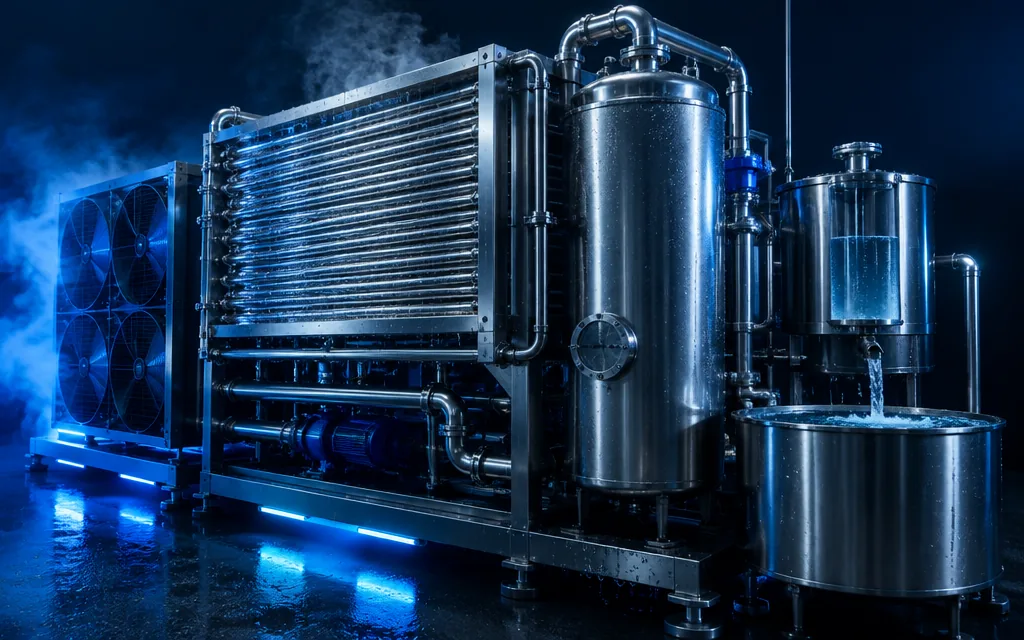
Atmospheric Water Generation

Atmospheric water generation aims to recover water from moisture in the air. Ambient temperature, relative humidity and the selected method determine production potential. Energy use depends on humidity, air handling and heat transfer requirements. Amanos evaluates integration with thermal and cooling systems within its R&D work. Water output and suitability for use are not specified without validation; drinking-water suitability is not assumed.

Next-Generation Thermal Cycles

Next-generation thermal cycles explore alternative system arrangements for transferring heat and upgrading it to a useful temperature. Source and demand temperatures, fluid properties, load profiles and operating limits are design inputs. Efficiency is assessed through energy balances and actual equipment losses. Amanos investigates integration with process and energy infrastructure through simulation, prototyping and testing. A cycle under development is not presented as having validated commercial performance.

Heating, Cooling & Process Energy Integration

Many facilities meet heating and cooling demand with separate systems, so heat rejected in one place is generated again elsewhere. Integration work maps heat and cooling demand, temperature levels, flows and operating schedules together and assesses how heat recovery, heat pumps and cooling systems can operate within a shared energy balance.

Amanos combines this assessment with energy and process analysis, technical and economic feasibility, and mechanical and electromechanical system design. Feasibility and benefit are determined by existing infrastructure and actual operating data.

Technical Questions and Answers

What information is needed to select an industrial heat pump?

Selection requires source temperature, flow and availability, process temperature and capacity requirements, operating hours and existing energy infrastructure. The target outlet temperature alone is not enough.

Why do COP and energy savings vary between projects?

COP expresses useful heat delivered relative to electricity consumed; the assessment must state which auxiliary loads are included. Source and output temperatures, load and operating conditions affect the ratio. Cost savings also depend on the existing system’s efficiency, energy prices and operating hours.

Can waste heat be used in the same way at every facility?

No. Feasibility depends on source temperature and availability and the match with useful heat demand. Direct recovery or heat pump upgrading is assessed against the facility’s operating conditions.

How are areas of expertise distinguished from R&D topics?

Technologies are grouped under three areas of expertise. The Commercial / Field Experience label identifies commercial and field experience; the R&D / Advanced Technology label identifies development and evaluation work. Past R&D and technology development work is presented separately from current areas of expertise. None of these labels means that a technology suits every project.

Technical Assessment for Your Project

We assess technology suitability by considering available energy sources, process temperatures, capacity requirements and operating profiles together. Amanos combines engineering and EPC project delivery to connect technology selection with the facility’s overall energy system.

Discuss your project