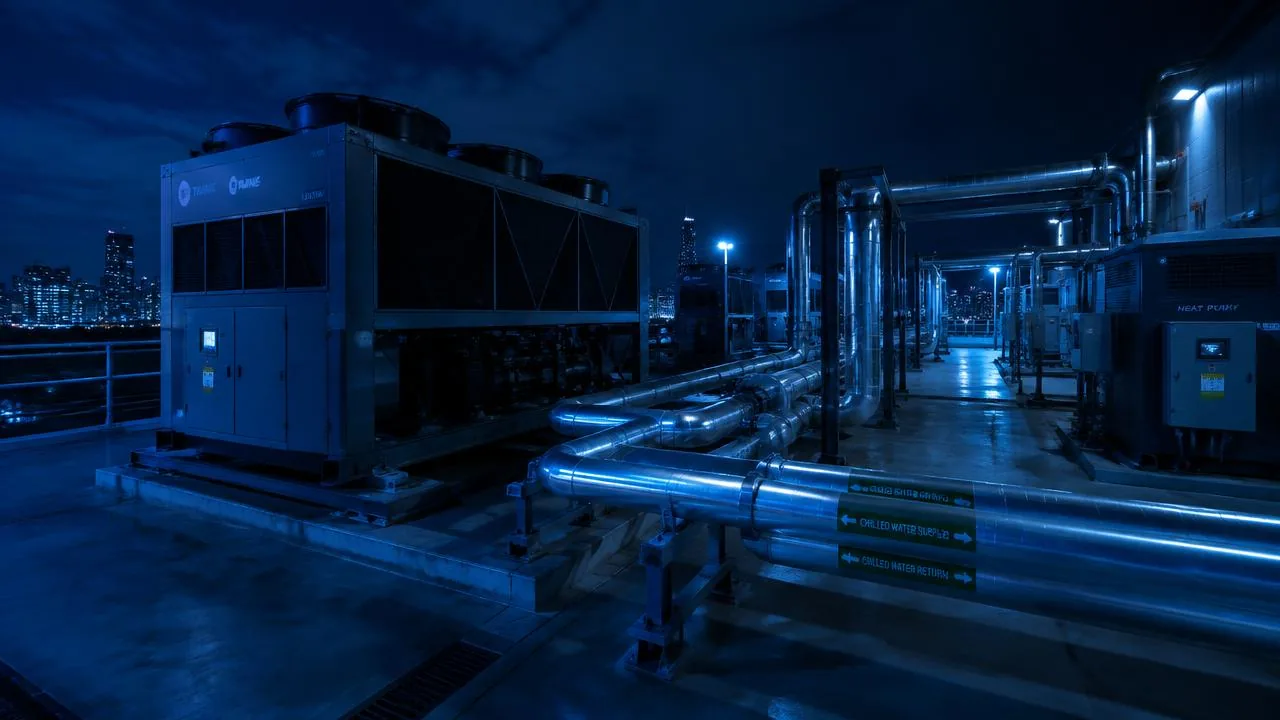
Energy-led MEP and commercial HVAC engineering for hotels, offices, retail and logistics facilities. We assess heating, cooling, ventilation and hot water demand together with mechanical and electrical infrastructure.
Commercial sectors we serve
01
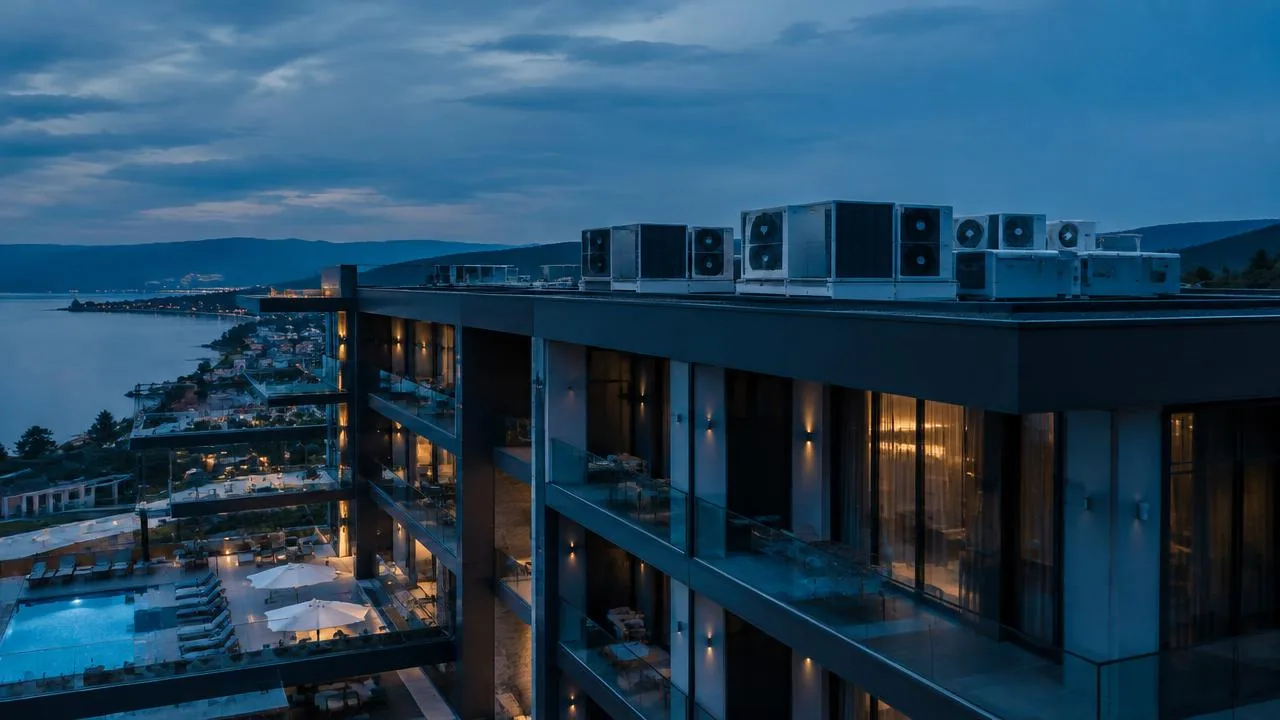
Hotels & Hospitality
We design and upgrade heating, cooling, domestic hot water and HVAC systems for hotels with a focus on energy efficiency, guest comfort and operating costs.
Heat PumpsHVACDomestic Hot WaterHeat RecoveryCoolingMEPEnergy Efficiency
02
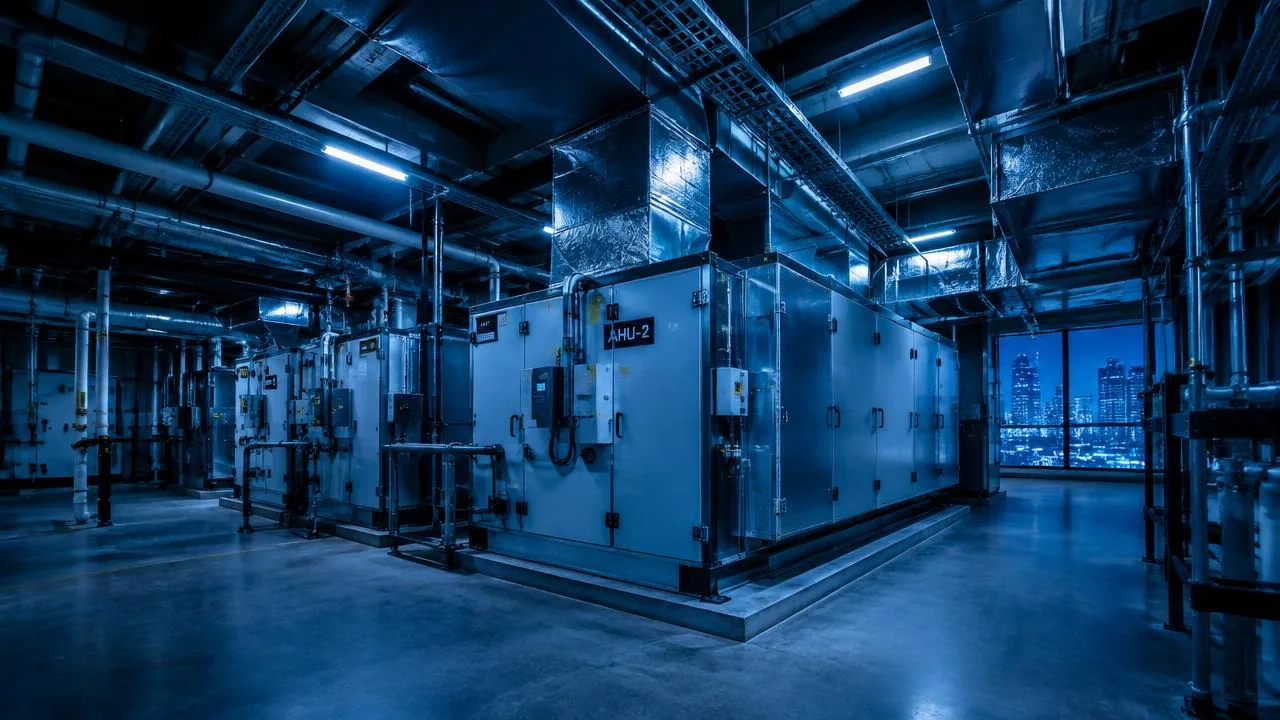
Commercial Buildings & Offices
We design and deliver HVAC, mechanical and electrical systems for offices and commercial buildings, focused on energy performance, comfort and operational efficiency.
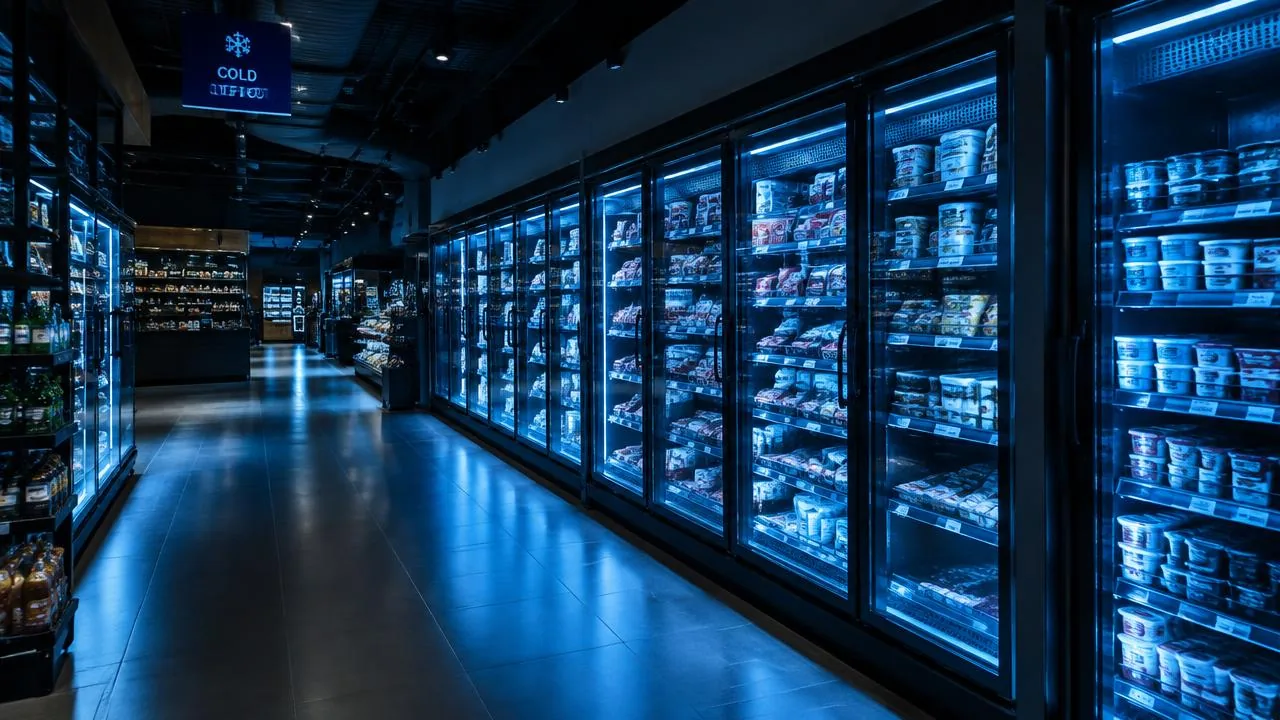
We design and optimize climate control, refrigeration and energy systems for stores, supermarkets and shopping centers for high efficiency and reliable operation.
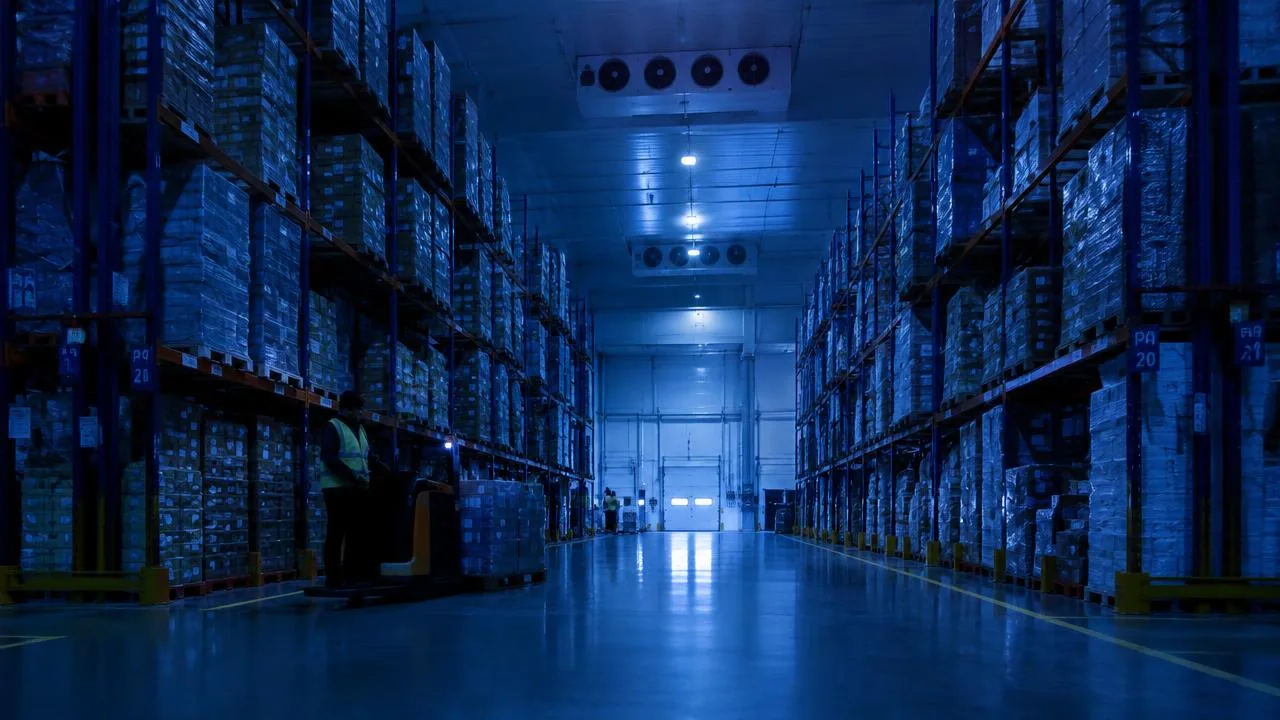
We design and optimize climate control, cooling and energy infrastructure for logistics hubs, warehouses and distribution centers.
CoolingHVACHeat PumpsEnergy EfficiencyMEP
05
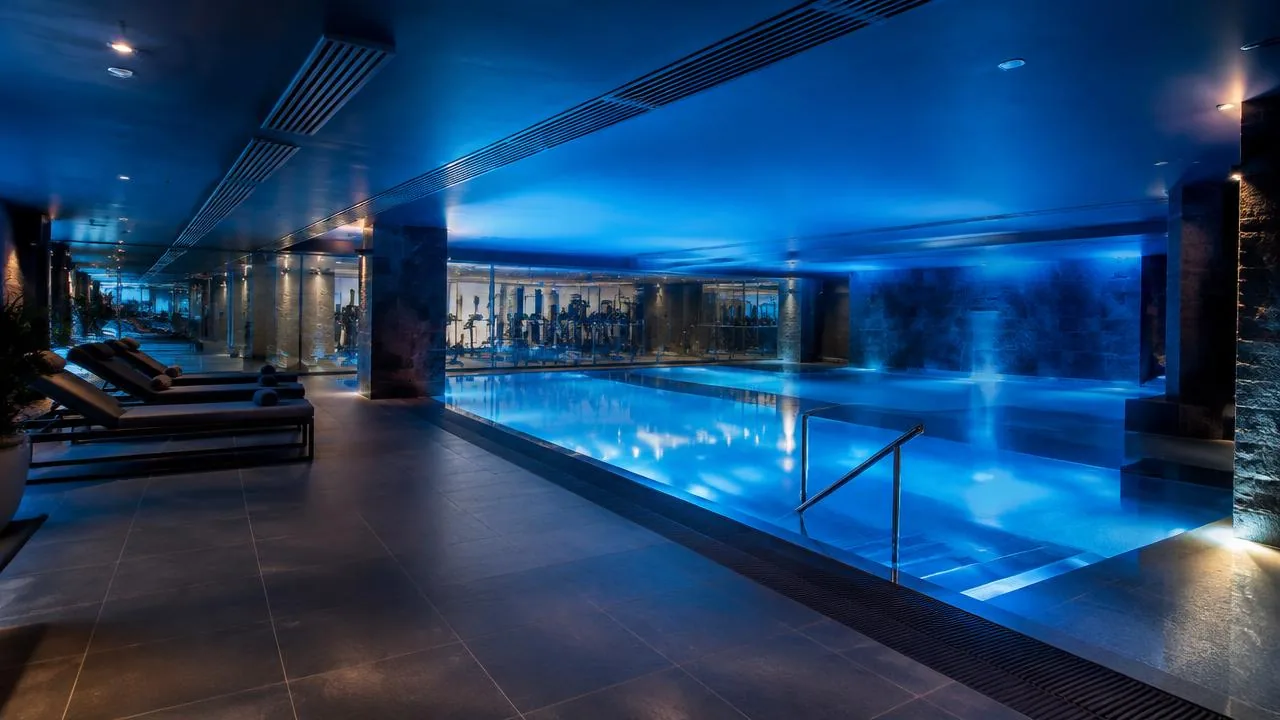
Sports, Spa & Leisure Facilities
We design climate control, domestic hot water and energy systems for sports complexes, spas, wellness centers and similar facilities with a focus on efficiency and comfort.
HVACHeat PumpsDomestic Hot WaterVentilationHeat RecoveryMEP
06
Energy-Intensive Commercial Operations
We develop energy analysis, electrification, heat recovery and high-efficiency energy systems for commercial operations with high energy consumption.
Energy EfficiencyHeat PumpsWaste Heat RecoveryCoolingHVACMEP
Integrated Solutions for Commercial Buildings
Commercial HVAC and integrated energy systems.
HVAC & Climate Control
Heating, cooling and ventilation load assessment based on operating hours and comfort requirements, informing commercial HVAC equipment selection.
Heating & Cooling
Assessment of central heating and cooling options against temperature requirements, simultaneous demand and existing system connections.
Domestic Hot Water
Hot water system design based on demand profiles, storage requirements and supply temperatures for hotels, spas and leisure facilities.
Commercial Refrigeration
Assessment of refrigeration loads, operating hours and operational requirements for supermarkets, retail and storage areas.
Heat Recovery
Matching heat from cooling and ventilation to heating and hot water demand where temperature levels and simultaneous operation allow.
Energy Efficiency & Electrification
Comparison of efficiency and electrification options using consumption, tariffs and electrical capacity; outcomes depend on operating conditions.
Mechanical & Electrical MEP
Design of energy-system mechanical and electrical connections, equipment interfaces and site works within the agreed MEP scope.
Energy Systems Integration
Integrated design of heating, cooling, hot water and heat recovery based on load balance and operating scenarios.
Energy-Led MEP
Energy-led MEP
Energy-led MEP connects mechanical and electrical design decisions to building energy loads. Heating, cooling, ventilation and hot water systems are designed around operating hours, comfort requirements and existing infrastructure. These six stages define a project-specific delivery scope.
01
Energy Analysis
Deliverable: consumption baseline, load profile and measurement needs.
02
System Design
Deliverable: system concept, preliminary sizing and equipment selection criteria.
03
MEP Integration
Deliverable: mechanical and electrical connections and existing infrastructure interfaces.
04
Installation
Deliverable: site installation and checks within the agreed scope.
05
Commissioning
Deliverable: test records and defined operating settings.
06
Performance Optimization
Deliverable: monitoring and improvement recommendations based on operating data.
Project Delivery
From energy system to site delivery
Mechanical and electrical installation is defined around the energy system and its related MEP connections. Engineering, procurement, site delivery and EPC responsibilities are specified in the agreement; not every project includes every delivery element.
Where does a hotel energy efficiency assessment start?
Occupancy, operating hours, heating and cooling loads, hot water demand and current energy consumption are assessed together. Simultaneous demands may offer heat recovery opportunities; system selection follows the facility load profile.
How is an HVAC upgrade planned in an existing building?
Existing equipment, connections, electrical capacity and available space are assessed first. Operational continuity and any shutdowns are planned with building management; a complete infrastructure replacement is not assumed.
What does Energy-led MEP project delivery include?
Energy assessment, system design, related mechanical and electrical integration, installation and commissioning are considered together. Equipment procurement, site responsibilities and performance monitoring are defined for each project.
How are energy costs and carbon impact assessed?
Baseline consumption and the proposed system are compared under equivalent use conditions. Electricity and fuel tariffs, load profiles and emissions factors are stated explicitly. Savings and carbon impact depend on project conditions.
Let's transform your building's energy system.
For a new building or refurbishment, share the building type, operating hours, energy consumption, existing HVAC equipment and heating, cooling and hot water requirements. We can use your available data to define an initial technical consultation.